
Landscaping Service Area Pages That Rank in Every City You Cover
Landscaping service area pages are the single most underused ranking tool for local landscaping companies. If your business serves fifteen cities across a metro area but your website only has one contact page, you are leaving organic search traffic on the table in fourteen of those cities. Each service-area page gives search engines a dedicated signal that your company operates in that location, understands the local landscape conditions, and has completed work there. For landscaping businesses in competitive metro areas like Dallas-Fort Worth or Oklahoma City, this is not optional — it is the structural foundation of local search visibility.
This page explains how to build landscaping service area pages that avoid the thin-content penalties that Google levies against lazy city-swap templates, while creating genuine value for visitors in each location. The pillar overview at /landscaping-website/ covers the full website strategy, and /landscaping-seo/ covers the broader search optimization approach. This page goes deep on geographic targeting.
Why One Homepage Cannot Rank in Multiple Cities for Landscaping Searches
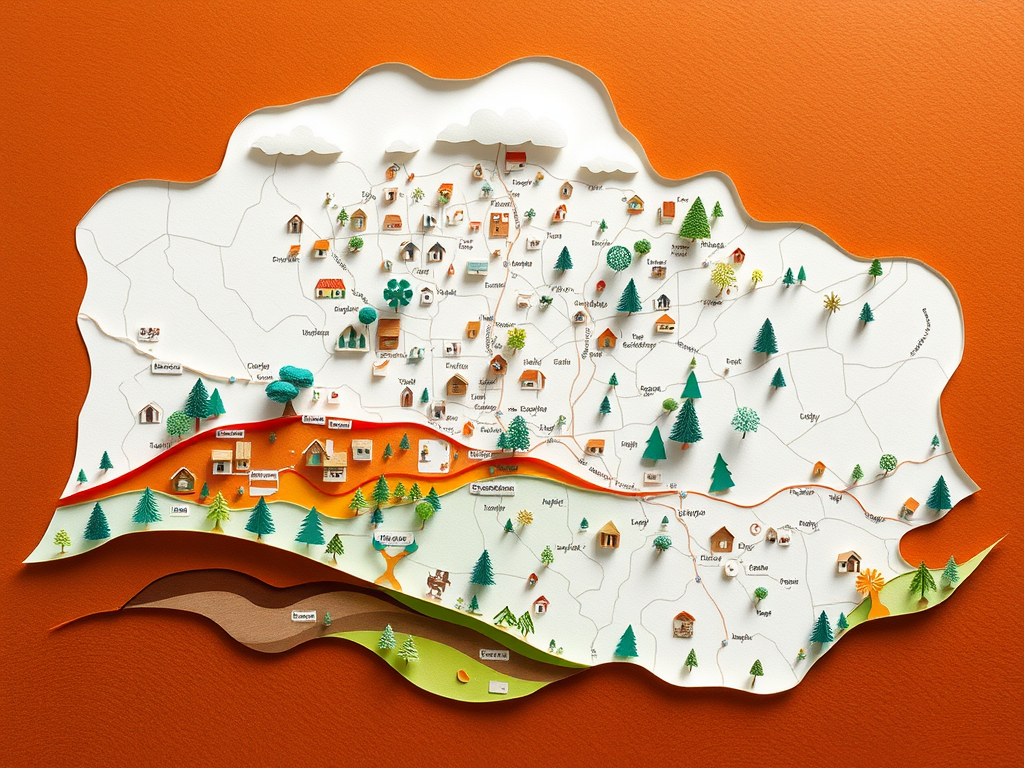
Google's local search algorithm matches queries to pages based on geographic relevance. When someone in Keller searches for landscaping company near me, Google evaluates which pages on your site are most relevant to that specific location. If your only geographic signal is a headquarters address on your contact page, your site competes poorly against a competitor who has a dedicated Keller landscaping services page with locally relevant content.
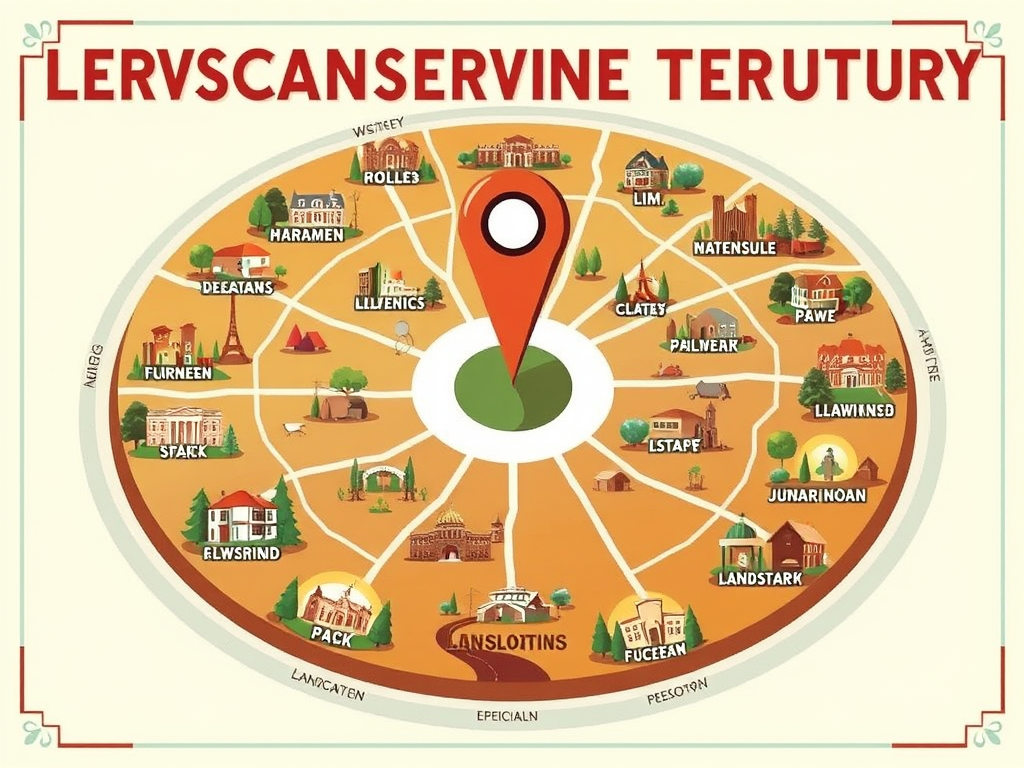
This principle applies to every city and neighborhood in your service territory. A landscaping company covering twenty cities needs twenty location pages, each demonstrating genuine knowledge of that area. The alternative — hoping that one generic homepage ranks everywhere — consistently loses to structured competitors in local search. This is especially true for landscaping because soil conditions, HOA requirements, plant hardiness zones, and seasonal timing genuinely vary across a metro area.
The LuperIQ platform supports unlimited service-area pages with individual SEO controls, unique content fields, and full layout flexibility per location. Each page functions as a standalone landing page for that city's landscaping searches.
What Makes Landscaping Service Area Pages Valuable Instead of Thin
Google penalizes doorway pages — templated location pages where the only difference is the city name swapped into a boilerplate paragraph. If your Southlake page reads identically to your Grapevine page except for the city name, both pages are at risk of being filtered from search results entirely. That penalty can cascade across the entire domain, dragging down rankings on legitimate pages too.
Valuable landscaping service area pages include genuinely different content for each location. Here is what makes each page unique:
- Soil conditions specific to that city or zone — North Texas black clay in the eastern DFW cities behaves very differently than the sandy loam west of Fort Worth
- Common grass varieties and their maintenance needs in that location
- HOA landscape requirements that affect plant selection, bed borders, and maintenance schedules
- Seasonal timing differences — spring green-up and fall dormancy dates shift across climate zones
- Common project types requested by residents in that area — new construction landscaping in fast-growing suburbs versus renovation work in established neighborhoods
- Portfolio photos from completed projects in that specific city or nearby
- Service availability details including response time, crew coverage, and scheduling windows
When each landscaping service area page has 500 to 1000 words of genuinely localized content, portfolio evidence, and a clear call to action, search engines treat it as a legitimate page rather than a thin doorway.
Regional Soil and Climate Differences That Shape Landscaping Service Area Pages
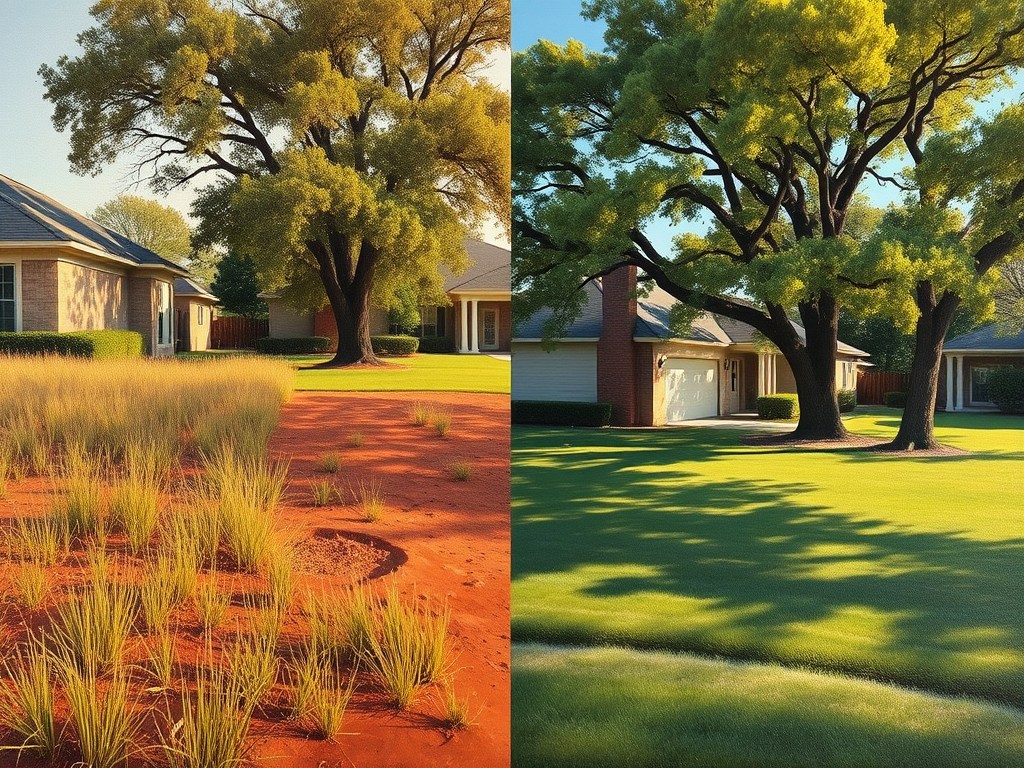
North Texas and Oklahoma share a climate that is broadly similar — hot summers, variable rainfall, periodic drought stress — but the soil and microclimate differences within each metro area are significant enough to shape landscaping recommendations in meaningful ways.
In the DFW metroplex, the Blackland Prairie soil running through Dallas, Plano, Richardson, and Garland is heavy clay that expands and contracts dramatically with moisture changes. Drainage solutions, root barrier installation, and foundation-conscious planting are common topics for service-area pages in those cities. West of Fort Worth toward Weatherford and Aledo, the soil shifts toward rocky limestone and thin topsoil, which changes the irrigation strategy and plant palette entirely.
In the Oklahoma City metro, the red clay soils of Norman and Moore present different drainage challenges than the sandier soils along the North Canadian River corridor. Tulsa-area companies deal with the transition between prairie and Ozark foothills, where hardscape slopes and water management become central selling points. Each of these differences provides legitimate, unique content for landscaping service area pages that serves both the reader and the search algorithm.
Portfolio Proof on Every Landscaping Service Area Page
The strongest landscaping service area pages include project photos from that specific city. When a homeowner in McKinney lands on your McKinney landscaping page and sees three completed projects from McKinney neighborhoods, trust is established immediately. They know you have worked in their area, understand the local conditions, and can deliver results there.
If you do not yet have enough projects in a particular city to fill a gallery, include projects from nearby cities and note the similarities in soil, climate, and design preferences. As your portfolio grows, update each service-area page with location-specific work. The LuperIQ media manager lets you tag images by city and project type, making it easy to curate location-specific galleries as your library grows.
Before-and-after project pairs are especially powerful on area pages because they demonstrate transformation in a location the visitor recognizes. A drainage correction project in a neighborhood the visitor has driven through carries more persuasive weight than a generic stock photo of a perfect lawn.
Avoiding Duplicate Content Across Landscaping Service Area Pages
The most common mistake landscaping companies make with area pages is creating twenty pages that all say the same thing with different city names inserted. Search engines detect this pattern and either ignore the duplicate pages or penalize the entire set. The content on each page must be substantially different.
A practical approach is to build each landscaping service area page around three unique content blocks: a location-specific introduction describing the area and its common landscape characteristics, a services section highlighting the specific offerings most requested in that city, and a proof section with local project photos or testimonials. The introduction and proof sections will naturally differ because they describe different places and different projects.
The LuperIQ platform's page builder supports unique content blocks per area page, so there is no technical reason to duplicate content across locations. The SEO module flags pages with thin or similar content, helping you catch duplication before it becomes a ranking issue. For the full search optimization strategy, see /landscaping-seo/ which covers technical SEO, content strategy, and review generation.
Structuring Landscaping Service Area Pages for Maximum Search Coverage
The URL and title structure of your area pages matters for crawlability and click-through rates. Here is the pattern that works for landscaping companies:
- URL pattern: /landscaping-services-city-name/ — clean, readable, and keyword-rich
- Title pattern: Landscaping Services in City Name | Company Name — targets the local search query directly
- H1 pattern: Landscaping Services in City Name — matches the title for consistency
- Meta description: Unique 150-character description mentioning the city, primary services, and a call to action
- Internal links: Link back to the main /landscaping-website/ pillar page and to relevant service pages like /landscaping-website-design/ for design detail
- Schema markup: LocalBusiness structured data with the service area defined per page
Group your area pages logically in your site navigation — either under a Service Areas parent page or linked from your main services page. The platform supports both approaches with customizable navigation menus. The goal is for every area page to be crawlable within two clicks of the homepage.
Frequently Asked Questions About Landscaping Service Area Pages
How many service area pages should a landscaping company build?
Will Google penalize us for having too many city pages?
What should we write about for cities where we have few completed projects?
Should service area pages target the company name or just the service plus city?
How do service area pages interact with Google Business Profile?
Can we use the same portfolio images across multiple area pages?
Landscaping service area pages are the geographic backbone of your local search strategy. Every city page you build expands the surface area of your website in search results and brings in visitors who are specifically searching for landscaping help in their location. Combine this approach with the broader strategies at /landscaping-marketing/ and the design considerations at /landscaping-website-design/ to build a complete local presence.