
Landscaping SEO That Puts Your Crew in Front of Every Local Search
Landscaping SEO is the difference between a company that gets found when homeowners search for lawn care, landscape design, or hardscaping in their city and a company that stays invisible while competitors collect every lead. If your landscaping business depends on local customers finding you online — and nearly every landscaping company does — then your website needs to be built with search visibility as a structural priority, not a last-minute add-on. The work that drives organic rankings for landscaping companies is specific, measurable, and directly tied to how the site is organized.
This page covers the landscaping SEO strategies that actually move rankings in competitive local markets like the Dallas-Fort Worth metroplex, Oklahoma City metro, and similar mid-size service areas. Every recommendation here is grounded in what the LuperIQ platform supports, so nothing described is hypothetical. The pillar overview at /landscaping-website/ covers the broader website strategy; this page goes deep on the search visibility layer.
Why Landscaping SEO Depends on Site Structure More Than Keywords Alone
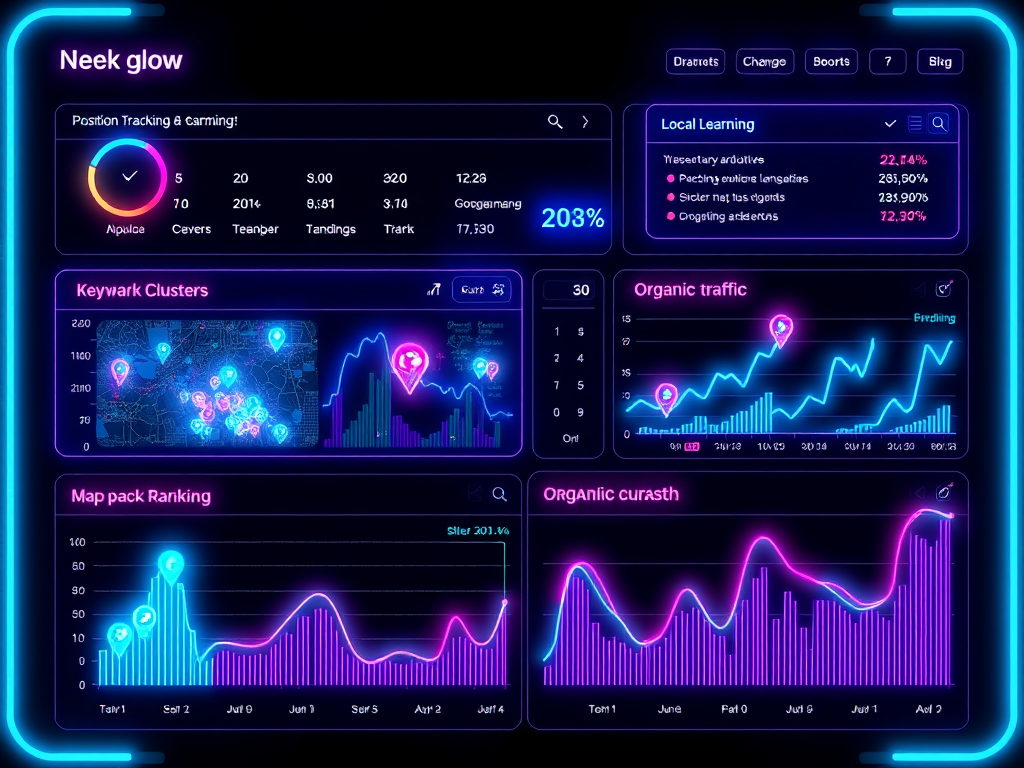
Stuffing a homepage with phrases like lawn care near me or best landscaper in Plano does not constitute a search strategy. Google's local algorithm evaluates page structure, topical depth, geographic relevance, and user engagement signals. A landscaping company with one page targeting twenty keywords will lose to a competitor with twenty pages, each targeting one keyword cluster with genuine depth.
That is why landscaping SEO starts with information architecture. The site needs separate, indexable pages for each core service (maintenance, design, hardscape, irrigation, drainage, tree care), each target location (city and neighborhood service-area pages), and supporting content (blog posts, guides, seasonal tips). When each page has a clear topic, a unique title and meta description, and content that genuinely helps the reader, search engines reward the entire domain with higher authority.
The LuperIQ platform's SEO module gives you per-page control over meta titles, descriptions, focus keywords, canonical URLs, and structured data markup. That means every service page, area page, and blog post is individually optimized without requiring manual HTML editing.
Portfolio and Gallery SEO That Turns Project Photos Into Search Traffic
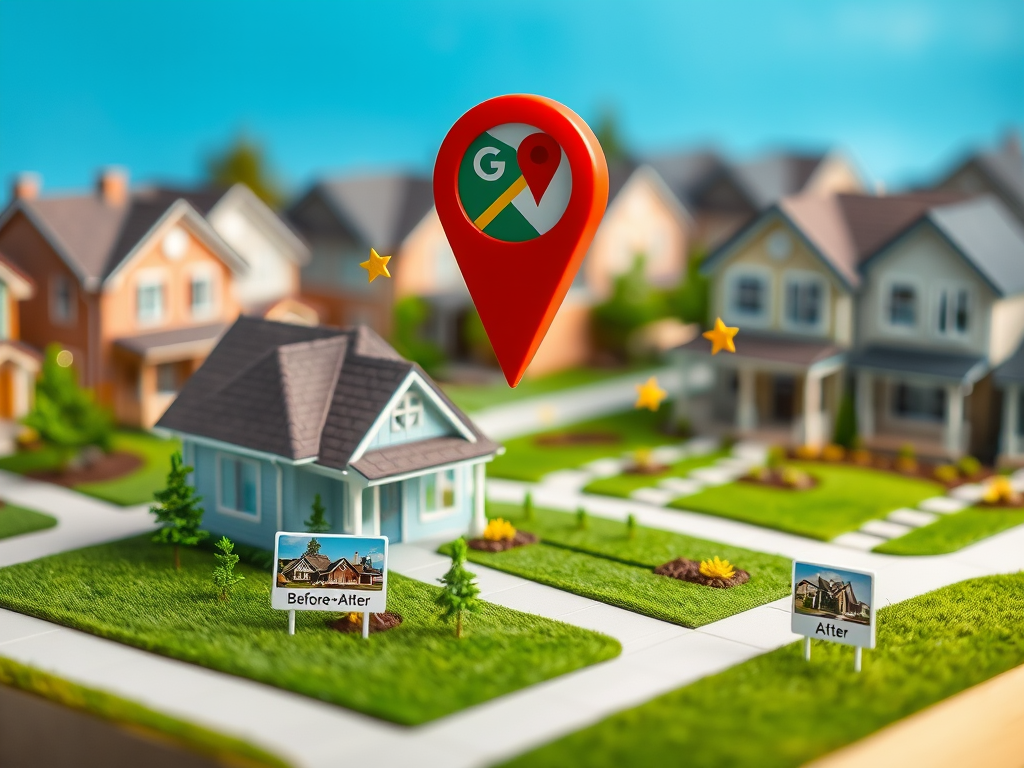
Landscaping companies sit on a goldmine of visual content that most never optimize for search. Every completed project — a patio installation in Southlake, a drainage correction in Edmond, a seasonal color rotation in McKinney — is a potential search result in Google Images and Google Maps photo carousels. But only if the images carry proper optimization.
Gallery SEO for landscaping starts with descriptive file names, keyword-rich alt text, compressed file sizes for fast loading, and contextual surrounding text that tells search engines what the image shows. A photo captioned IMG_4832.jpg with no alt text is invisible to search engines. The same photo named southlake-patio-flagstone-installation.webp with alt text describing the project, the neighborhood, and the service type earns visibility in image search, maps, and organic results.
- Use descriptive file names that include the service type and location
- Write alt text that naturally includes the focus keyword and project details
- Compress images to WebP format for faster page loading without quality loss
- Add captions with neighborhood, city, and service details
- Organize galleries by project type so each category page earns its own rankings
- Include before-and-after pairs to increase engagement time on the page
The LuperIQ media manager handles WebP conversion automatically and provides caption and alt text fields on every upload. When your gallery is organized by project type — residential design, hardscape, irrigation, commercial — each gallery category page becomes its own ranking opportunity.
Service Pages That Rank for Every Type of Landscaping Search
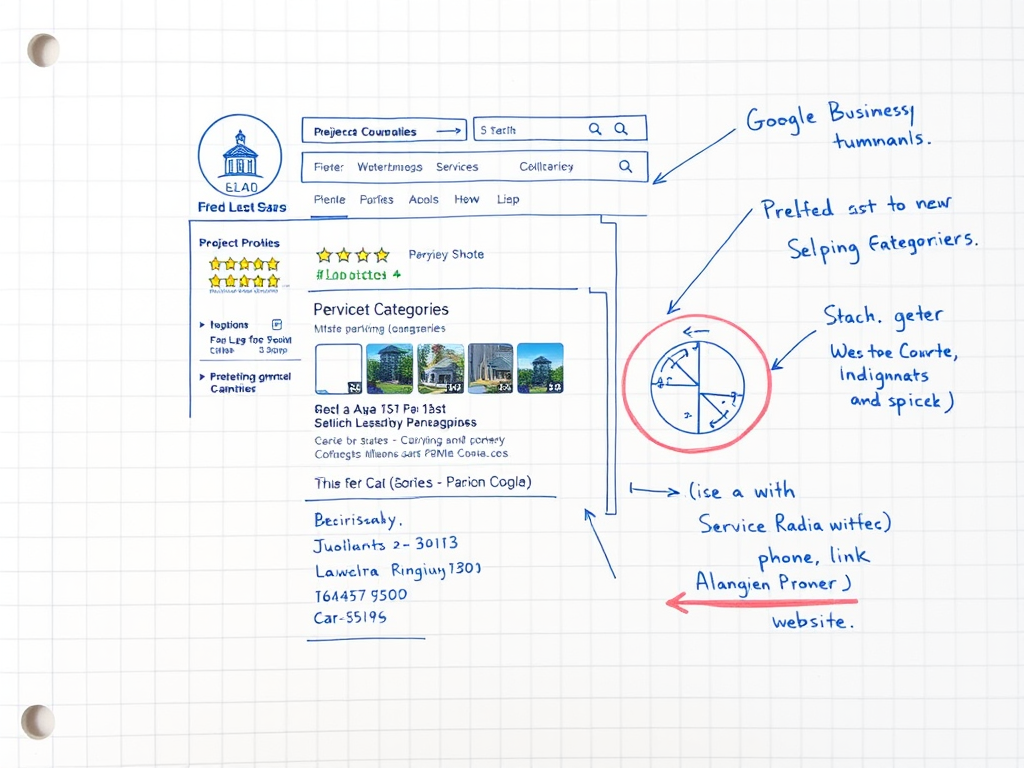
A single services page listing every offering in bullet points is an SEO dead end. Dedicated service pages are the backbone of landscaping SEO because each one targets a different search intent cluster. The homeowner searching for landscape design consultation is a completely different searcher than the property manager looking for commercial lawn maintenance or the homeowner dealing with standing water in their yard after every rain.
Each service page should contain the service name in the title and H1, a thorough explanation of what the service includes, the geographic areas served, seasonal timing considerations, and a clear call to action. For North Texas landscaping companies, that means mentioning the clay soil realities that affect drainage and irrigation. For Oklahoma operators, it means acknowledging the distinct soil profiles from sandy river bottoms to heavy red clay that shape planting and grading decisions.
When every service has its own page with 500+ words of genuine, helpful content, the site's topical authority compounds. Search engines begin to treat the domain as a credible source for landscaping information in that region, which lifts rankings across all pages — not just the individual service pages.
Service-Area Pages That Win the Local Map Pack for Landscaping Searches
The Google local map pack — those three business listings that appear above organic results for local searches — is where most landscaping leads originate. Ranking in the map pack requires a combination of Google Business Profile optimization, consistent NAP citations, reviews, and on-site geographic signals. Service-area pages are the on-site component that tells Google exactly where your landscaping company operates.
A landscaping company covering the DFW metroplex might build service-area pages for Arlington, Mansfield, Burleson, Cedar Hill, Midlothian, Waxahachie, Keller, Roanoke, and Trophy Club. Each page should describe the landscaping conditions specific to that area — soil type, common grass varieties, HOA landscape requirements, seasonal timing, and the types of projects most requested there. This is not duplicate content if each page reflects genuine local knowledge.
The platform's service-area page system supports unique content, local imagery, and full SEO controls per location. For the deeper strategy on building these pages correctly without creating thin duplicate content, see /landscaping-service-area-pages/ which covers the full approach to geo-targeted landing pages for landscaping companies.
Review Strategy and Social Proof That Strengthen Landscaping SEO
Google reviews are a direct ranking factor in local search. Landscaping companies with more reviews, higher average ratings, and recent review activity consistently outrank competitors with thin or stale review profiles. But reviews also influence click-through rates — a landscaper with 87 reviews and a 4.9 rating gets more clicks than one with 12 reviews and a 4.5, even if they rank in the same position.
The review strategy that supports landscaping SEO is straightforward: ask for a review after every completed project, make the process easy with a direct link, and respond to every review — positive or negative. The LuperIQ notification system can automate review request emails after project completion, reducing the friction that causes most companies to forget.
Beyond Google reviews, embedding testimonials on your website with the customer's city and project type adds on-page trust signals that benefit both conversion rates and search relevance. A testimonial from a homeowner in Frisco describing their patio installation is a natural local signal that reinforces your geographic and service authority.
Before-and-After Content That Earns Links and Engagement for Landscaping SEO
Before-and-after transformations are the most shareable content type a landscaping company produces. A dramatic yard renovation, a drainage problem solved, or a neglected commercial property restored to professional standards — these stories earn social shares, backlinks from local blogs and neighborhood groups, and extended on-page engagement time. All of those signals support landscaping SEO.
The content strategy is to treat every significant project as a case study. Document the starting condition, the scope of work, the challenges encountered (clay soil drainage issues, slope corrections, irrigation redesign), and the final result. Publish these as blog posts with full photo sets and link them back to the relevant service and area pages. This creates internal linking structures that search engines follow to understand your topical authority.
Blog content built around seasonal topics also drives consistent organic traffic. Posts about spring lawn preparation timelines for Bermuda grass in North Texas, or fall aeration schedules for Fescue in the Oklahoma Ozarks, attract homeowners during peak decision windows. The LuperIQ blog module supports category tagging, scheduled publishing, and full SEO controls per post.
Technical SEO Foundations Every Landscaping Website Needs
Content and structure drive most of the ranking value for local landscaping companies, but technical SEO ensures none of that work is wasted. These are the technical foundations the LuperIQ platform handles:
- Mobile-responsive design that passes Core Web Vitals on phone and tablet
- Fast page loading with automatic image compression and efficient code
- Structured data markup (LocalBusiness schema, FAQ schema) on relevant pages
- XML sitemap generation with priority weighting for service and area pages
- Clean URL structure using readable slugs that match target keywords
- Canonical URLs to prevent duplicate content issues across similar pages
- SSL certificate for secure browsing and the ranking boost HTTPS provides
- Proper heading hierarchy (H1 through H3) on every page for crawlability
The platform's SEO module at /modules/seo/ manages these technical elements alongside the content-level optimizations, giving landscaping companies a complete search foundation without requiring a separate technical SEO audit or third-party plugin stack.
Frequently Asked Questions About Landscaping SEO
How long does it take for landscaping SEO to produce results?
Is it worth building service-area pages for every city we cover?
How do Google reviews affect landscaping SEO rankings?
Should we blog about landscaping topics for SEO?
What is the most important on-page SEO element for landscaping pages?
Do before-and-after photos help with SEO?
Landscaping SEO is not a one-time setup — it is an ongoing advantage that compounds with every optimized page, every review earned, and every project documented. The companies that invest in search structure today are the ones collecting the leads tomorrow. Start building that visibility with /landscaping-website/ as the foundation, and use /landscaping-marketing/ to connect SEO to the rest of your growth strategy.